Protecting People. Reducing Impact.
How Wenaas ID is helping reduce musculoskeletal strain while supporting sustainability objectives.
Executive Summary
Wenaas ID is a new generation of safety footwear developed through a four-year research and development programme aimed at addressing one of the most persistent challenges in industrial and offshore environments: the long-term impact of safety footwear on worker comfort, fatigue, and musculoskeletal health. The project was developed in collaboration with SINTEF, Orion, Aker BP, Equinor, and OneCo, with support from the Research Council of Norway. More than NOK 10 million was invested in research, laboratory testing, and real-world user trials both offshore and onshore.
The result is a patented safety footwear platform featuring the innovative Inlet system, designed to reduce heel pressure, improve ergonomic support and extend footwear lifespan. The solution combines safety compliance, wearer comfort, and sustainability while maintaining performance in demanding offshore working conditions
Challenge
1. Musculoskeletal Strain and Fatigue – Offshore workers spend long periods standing, walking, climbing stairs, traversing grating and working on hard surfaces. Traditional safety footwear often prioritises protection over comfort, leading to:
- Heel pressure and impact loading, Foot fatigue during long shifts, Knee, hip, and lower back discomfort, Reduced worker wellbeing and productivity
Research undertaken by SINTEF identified prolonged use of safety footwear as a significant contributor to worker discomfort and musculoskeletal strain.
2. One-Size-Fits-All Ergonomics – Most safety footwear offers limited adaptation to individual workers despite significant differences in:
- Body weight, Walking distances, Work tasks, Foot shape and biomechanics
This can result in poor support and inconsistent comfort levels across the workforce.
3. Harsh Offshore Conditions – Offshore footwear must withstand:
- Wet and slippery surfaces, Saltwater exposure, Chemical contamination, Mud and mechanical wear, Long work rotations
Many footwear solutions struggle to maintain comfort and performance under these conditions.
4. Sustainability and Cost – Traditional footwear programmes typically require complete replacement of the boot or shoe once comfort levels deteriorate, creating:
- Increased waste, Higher replacement costs, Larger environmental footprints
This presents challenges for organisations pursuing sustainability targets
Solution
Wenaas ID was developed using extensive user research, laboratory testing, biomechanical analysis, and field trials. Testing was conducted under real offshore and onshore conditions to ensure the final product addressed genuine workplace challenges rather than theoretical design assumptions.
The InLet System
At the core of the Wenaas ID platform is the patented InLet system.
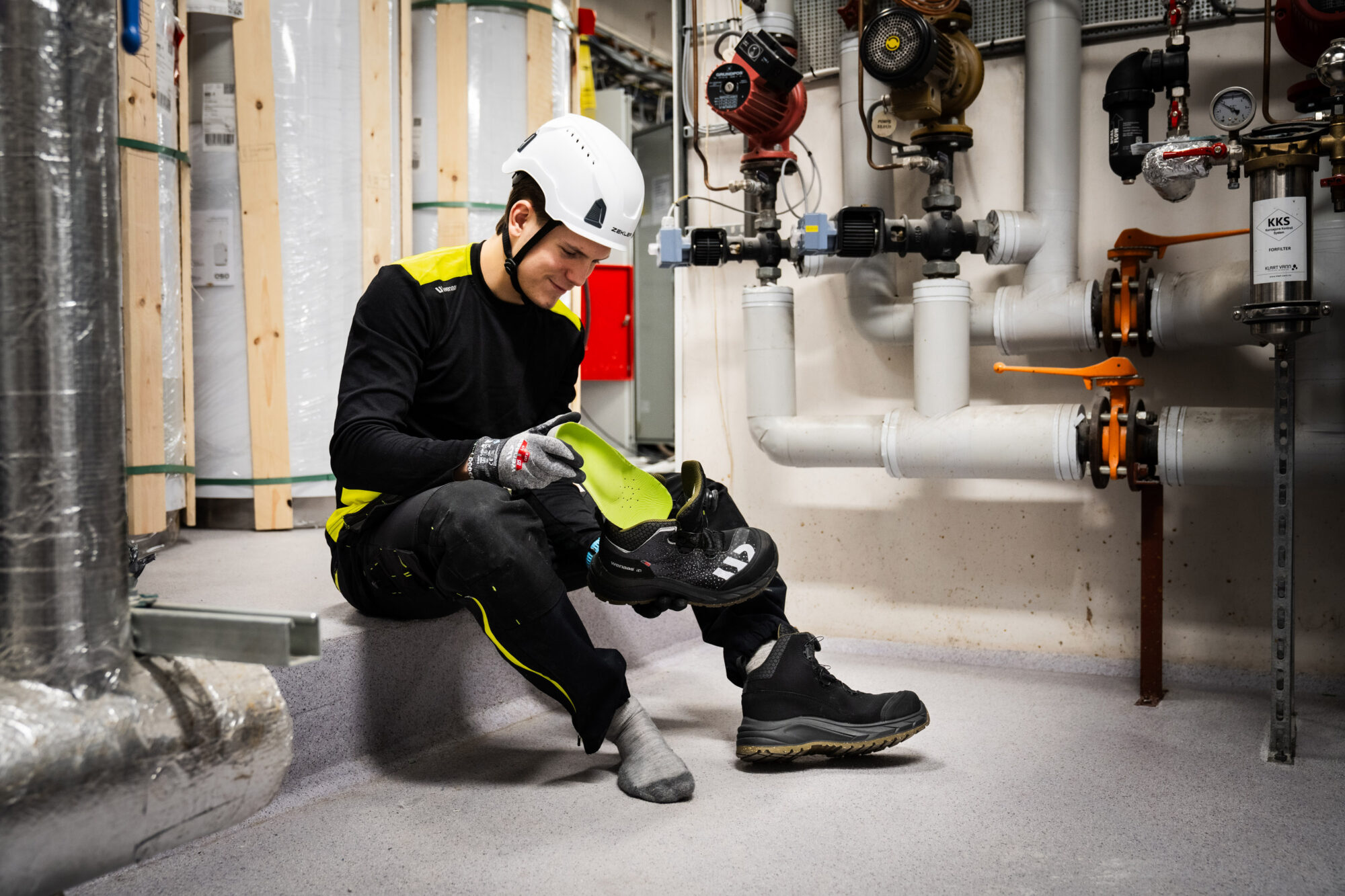
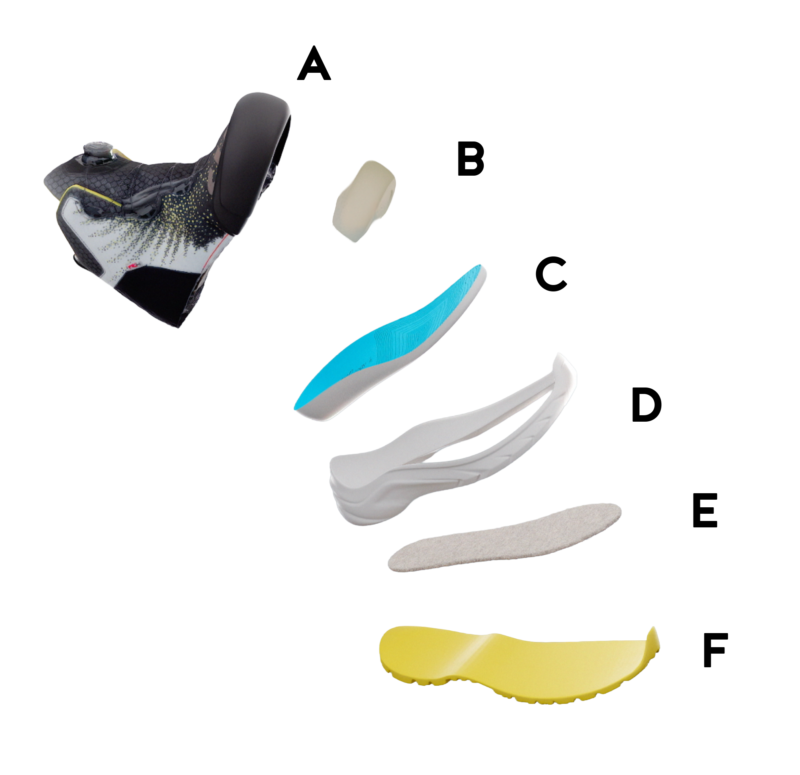
Unlike a traditional insole, the InLet is an integrated and replaceable component of the shoe’s construction designed to:
- Reduce pressure on the heel and forefoot
- Improve shock absorption
- Support different worker weights and activity levels
- Help reduce the risk of musculoskeletal disorders
Three versions are available:
- Soft – for lower body weight users or more stationary work
- Medium – for mixed activity levels
- Firm – for higher body weights and workers who walk extensively during shifts
The InLet can be replaced without replacing the entire shoe, maintaining ergonomic performance throughout the product life cycle.
Redesigned Safety Footwear Construction
To accommodate the InLet system, Wenaas redesigned the entire footwear structure:
- Lightweight asymmetrical safety toe cap for enhanced fit
- Soft, flexible Puncture Block anti-penetration sole
- High-performance slip-resistant outsole meeting the latest SR requirements
- HRO heat resistance
- Chemical-resistant protective PU frame
- Waterproof HDry® membrane on selected models
- Lightweight, durable materials including Dyneema® and PuTek®
This provides protection without compromising comfort.
Improved Fit and Stability
The Wenaas Fit Lacing System (WFL) was developed to:
- Secure the heel
- Reduce heel slip
- Improve foot stability
- Provide personalised forefoot adjustment
- Reduce muscular fatigue during prolonged standing and walking
This is particularly relevant for personnel operating in dynamic offshore environment
Results
Proven Reduction in Heel Loading
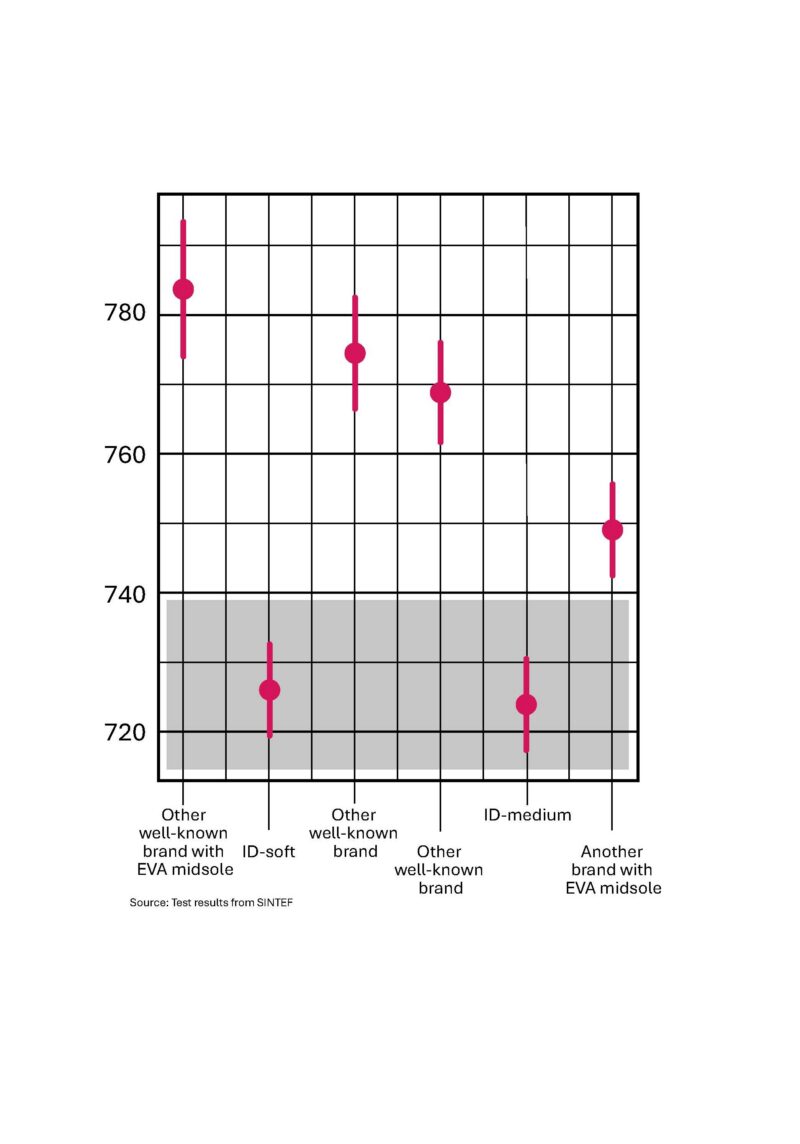
Biomechanical analysis and statistical testing performed by SINTEF demonstrated that the Wenaas ID system produced a significant and statistically proven reduction in heel pressure and loading forces compared with other established safety footwear models.
Positive Offshore User Feedback
Workers participating in offshore and onshore trials reported:
- Improved comfort during long shifts
- Better support and stability
- Reduced fatigue
- Improved wellbeing
- Strong performance in heavy rain, wet snow, and icy environments
Several participants requested to keep the footwear after the evaluation period, highlighting exceptionally positive user acceptance.
One offshore worker reported:
“For over 10 years, I have needed to take painkillers due to joint and knee pain while at work. After I started using the new safety shoe, I did not take any painkillers during the entire 14-day period.”
Sustainability Benefits
Wenaas states that the ID series delivers a 52.1% lower carbon footprint per pair compared with traditional leather safety footwear through:
- Longer service life
- Replaceable InLet technology
- More sustainable material choices
- Reduced product waste
This supports both ESG objectives and long-term PPE cost reduction.
Find out more: Wenaas ID